Aluminum Casting vs. iron casting: Which material is better?
Everything You Need to Know About the Uses and Advantages of Aluminum Castings
Aluminum castings play a crucial function throughout numerous industries, offering distinct properties that enhance item efficiency. Their light-weight nature and stamina make them suitable for applications in automotive and aerospace markets. Additionally, the adaptability of casting techniques permits intricate designs and tight resistances. As the demand for lasting services climbs, understanding the benefits and applications of aluminum castings becomes increasingly crucial. What certain advantages do they supply over other materials?
Introduction of Aluminum Casting Processes
Aluminum casting procedures incorporate a variety of strategies made use of to shape liquified aluminum into desired kinds. These approaches include sand casting, pass away spreading, and investment spreading, each offering unique advantages depending upon the application (Aluminum Casting). Sand spreading entails creating a mold and mildew from sand, permitting for elaborate styles and big elements, while die casting utilizes high stress to infuse molten aluminum right into steel molds, making sure precision and smooth finishes. Financial investment spreading, likewise called lost-wax casting, generates intricate forms with exceptional dimensional accuracy, making it suitable for in-depth elements
These procedures are defined by their ability to produce lightweight, sturdy parts that display excellent deterioration resistance. The adaptability of aluminum enables personalization in numerous industries, from automobile to aerospace. In addition, the capability to recycle aluminum improves the sustainability of these casting procedures, minimizing environmental effect while maintaining material honesty. Comprehending these techniques is essential for optimizing manufacturing effectiveness and attaining top quality aluminum castings.
Secret Applications of Aluminum Castings
Aluminum castings play a necessary role across numerous industries, especially in auto, aerospace, and consumer electronic devices. In the vehicle field, they contribute to lightweight frameworks that enhance gas performance. Aerospace components profit from aluminum's strength-to-weight ratio, while consumer electronics take advantage of its adaptability for effective production.
Automotive Market Applications
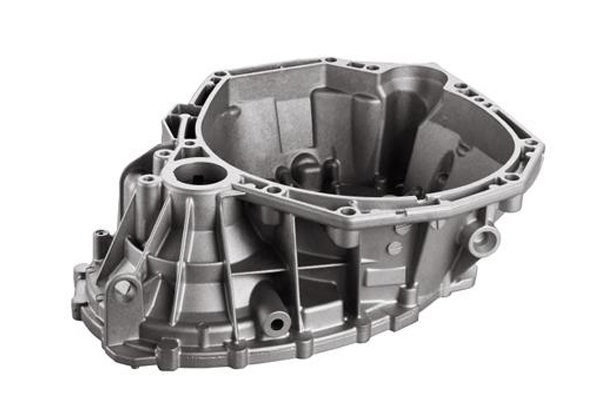
As the automobile market remains to develop, manufacturers increasingly rely upon aluminum castings for their light-weight yet durable residential properties. These castings play a crucial duty in boosting automobile efficiency, fuel performance, and overall security. Key applications include engine blocks, transmission housings, and structural parts, which profit from aluminum's superb strength-to-weight proportion. Furthermore, aluminum castings promote intricate geometries, enabling innovative designs that improve aerodynamics and reduce drag. The deterioration resistance of aluminum also adds to durability, reducing upkeep expenses for both suppliers and consumers. As electrical lorries gain popularity, aluminum castings are crucial for battery rooms and other components, even more strengthening their value in the future of vehicle manufacturing.
Aerospace Component Manufacturing
In the aerospace sector, aluminum castings are essential to the production of lightweight, high-performance components. These castings are vital for producing components such as engine real estates, architectural structures, and landing equipment elements, where weight decrease is important for fuel performance and overall efficiency. The exceptional strength-to-weight proportion of aluminum enables the advancement of complex geometries that boost aerodynamics. Furthermore, aluminum's resistance to deterioration contributes to the long life and reliability of aerospace components, making sure safety in trip operations. The spreading procedure also enables exact tolerances, which is very important in conference strict aerospace industry requirements. In general, aluminum castings play a pivotal function ahead of time aerospace technology while supporting the industry's promote lasting methods.
Customer Electronics Production
Making use of aluminum castings in customer electronic devices production has come to be progressively considerable due to their light-weight and long lasting buildings. Producers utilize these castings to produce parts for various gadgets, including mobile phones, laptop computers, and pc gaming consoles. Aluminum's outstanding thermal conductivity also helps in heat dissipation, improving tool efficiency and durability. In addition, the convenience of aluminum enables complex styles and complicated geometries, making it possible for streamlined and modern-day looks that interest consumers. Additionally, aluminum castings can be conveniently reused, aligning with the expanding demand for sustainable production techniques. As modern technology advances, the duty of aluminum castings in creating cutting-edge and effective consumer electronic devices is anticipated to expand, making them a staple in the industry.
Advantages of Using Aluminum Castings
While numerous products are offered for casting, aluminum attracts attention due to its one-of-a-kind combination of light-weight homes, strength, and rust resistance. The low density of aluminum makes it an ideal choice for applications where weight reduction is crucial, such as in the automobile and aerospace sectors. Its outstanding strength-to-weight proportion allows producers to produce durable parts without adding extreme weight.
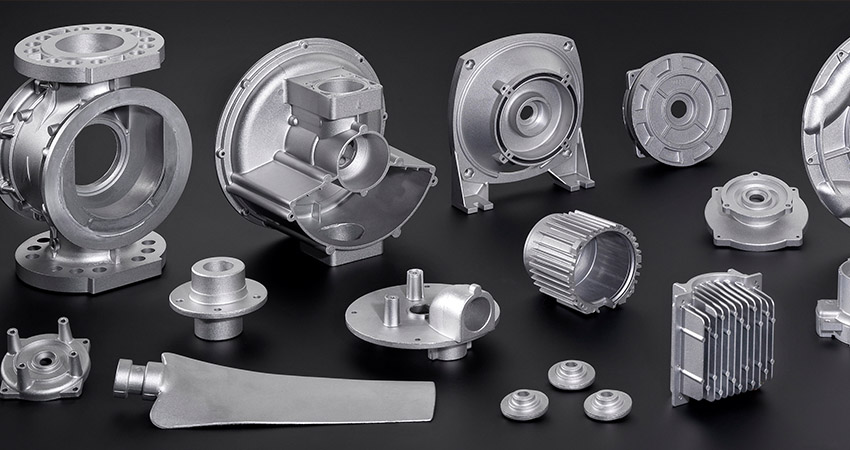
In addition, aluminum castings can be produced with elaborate layouts and limited tolerances, allowing complex geometries that are difficult to attain with other materials. The versatility of aluminum permits various casting approaches, including sand, pass away, and investment spreading, providing to diverse manufacturing requirements. Additionally, aluminum's simplicity of machining and ending up boosts its allure, facilitating the production of high-quality surface coatings. Overall, the benefits of using aluminum castings add to improved efficiency and efficiency in various applications across various industries.
Corrosion Resistance in Aluminum Castings
Natural Oxide Layer
An all-natural oxide layer types on the surface of aluminum castings, providing an essential barrier versus ecological aspects that can cause wear and tear. This slim, protective film is a result of the aluminum's reaction with oxygen airborne, properly shielding the underlying metal from wetness, chemicals, and contaminants. Therefore, aluminum castings show impressive rust resistance, which improves their long life and durability click reference in various applications. The oxide layer is not only advantageous for security however additionally contributes to aesthetic top qualities, as it can create a matte surface that many markets discover appealing. Furthermore, this all-natural procedure reduces the need for added layers, making aluminum castings an economical option for makers seeking reliable, resilient materials.
Alloy Variants Influence
The composition of aluminum alloys substantially affects their rust resistance residential or commercial properties in castings. Different alloy variants, such as 1xxx, 2xxx, and 6xxx series, display unique degrees of susceptibility to deterioration. For example, 1xxx alloys, mainly made up of pure aluminum, offer exceptional deterioration resistance because of their high purity. On the other hand, 2xxx alloys, which consist of copper, click here for info might experience substantial corrosion when subjected to extreme environments. Meanwhile, 6xxx alloys, incorporating magnesium and silicon, strike an equilibrium in between strength and resistance. The presence of alloying elements can boost or reduce protective oxide layers, eventually impacting long life and performance. Understanding these variations is necessary for choosing the appropriate alloy for certain applications where corrosion resistance is essential.
Style Adaptability and Personalization
Although various products exist for casting applications, aluminum sticks out due to its impressive style adaptability and potential for personalization. This adaptability permits designers and designers to produce intricate shapes and kinds that fulfill certain practical demands. Aluminum Casting. The reduced density of aluminum makes it possible for lightweight layouts, which is particularly useful in industries such as vehicle and aerospace, where weight decrease is necessary
Aluminum castings can be customized to different specifications, consisting of wall thickness, surface area coating, and dimensional tolerances. This flexibility not just improves the aesthetic charm however likewise enhances the performance of the last product. In addition, progressed methods such as 3D printing and computer-aided design (CAD) further promote the customization process, allowing fast prototyping and reducing lead times. Consequently, aluminum castings can effectively meet the diverse needs of various markets while supplying producers the ability to introduce and react quickly to market needs.
Contrast With Various Other Casting Products
While various casting materials each have their distinct benefits, aluminum regularly blog here demonstrates exceptional residential properties that make it a preferred choice in numerous applications. Contrasted to iron and steel, aluminum is significantly lighter, which lowers the overall weight of finished products, enhancing fuel performance in vehicle and aerospace industries. Aluminum uses superb corrosion resistance, calling for much less maintenance over time compared to materials like iron, which can corrosion.
When juxtaposed with plastics, aluminum's stamina and toughness go beyond numerous synthetic choices, making it suitable for requiring environments. On top of that, aluminum's thermal and electric conductivity is incredibly more than many other metals, making it ideal for applications calling for efficient warm dissipation or electrical components.
Future Patterns in Aluminum Casting Innovation
Advancements in aluminum casting innovation are readied to redefine its applications across different industries. Innovations in automation and robotics are improving manufacturing procedures, enhancing performance and accuracy. The integration of synthetic intelligence and artificial intelligence enables real-time tracking and predictive maintenance, reducing downtime and boosting quality assurance.
Furthermore, the growth of sophisticated alloys is broadening the efficiency capabilities of aluminum castings, making them ideal for even more demanding applications, specifically in auto and aerospace fields. Lasting techniques are likewise getting grip, with boosted emphasis on recycling aluminum and lowering carbon footprints throughout manufacturing.
Additive production techniques, such as 3D printing, are being explored to produce complex geometries that typical approaches can not attain, permitting for better design versatility. These fads show a future where aluminum spreading will not only satisfy however surpass industry assumptions, driving innovation and sustainability in manufacturing.
Often Asked Concerns
Just How Are Aluminum Castings Recycled After Use?
Aluminum castings are generally accumulated, cleaned up, and processed in reusing facilities. The material is thawed down, improved, and afterwards reformed into brand-new items, thereby saving sources and lowering ecological effect while keeping aluminum's preferable properties.
What Are the Regular Costs Connected With Aluminum Castings?
The typical prices connected with aluminum castings vary based on variables such as intricacy, volume, and material specifications. Generally, rates range from a couple of bucks per extra pound to significantly higher quantities for intricate styles and large amounts.
Exactly How Do Aluminum Castings Contrast in Weight to Steel Castings?
Aluminum castings weigh significantly less than steel castings, usually around one-third the weight (Aluminum Casting). This lowered mass permits much easier handling, transportation, and application in different industries, adding to improved effectiveness in layout and production processes
What Industries Primarily Count On Aluminum Castings?
Various markets substantially depend on aluminum castings, consisting of auto, aerospace, electronics, and consumer items. Their light-weight nature, deterioration resistance, and convenience make them crucial for producing elements in these industries, boosting efficiency and performance.
Exist Any Wellness Dangers Associated With Aluminum Casting Processes?
Wellness risks related to aluminum spreading procedures include direct exposure to fumes, dust, and chemicals, which can cause respiratory system issues and skin irritability. Correct safety steps and tools are vital to mitigate these potential threats in the office.